
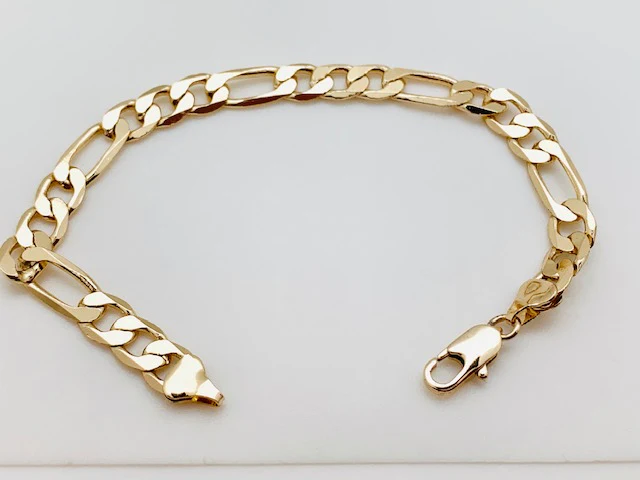
Esclava Bracelet: History, Meaning, and the Complete Guide to a Timeless Jewelry Classic
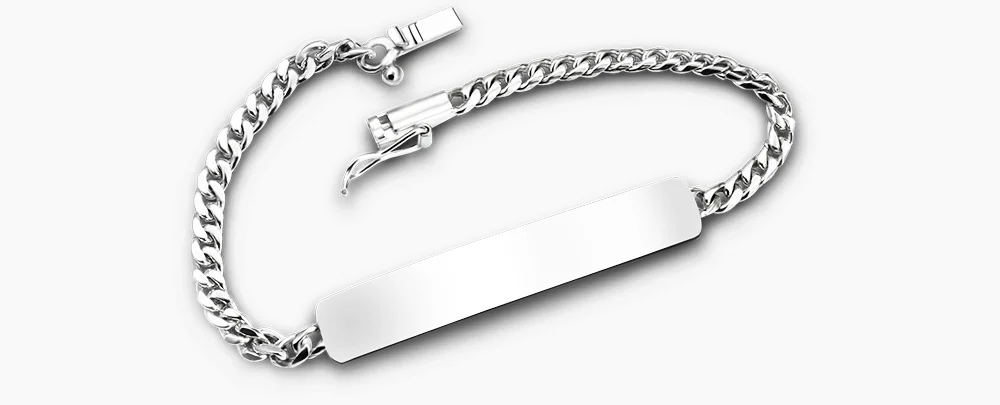
In jewelry, the term “esclava” refers to a rigid bracelet with a flat central plate traditionally engraved with a name, date, or meaningful message. Its solid design, minimal form, and symbolic depth make the esclava bracelet one of the most recognizable and enduring pieces in jewelry history.
Unlike chain bracelets or flexible bangles, the esclava stands out for its fixed shape and identifiable plate. It’s timeless, simple, and adaptable a style that bridges generations and trends. Across centuries, it has represented identity, connection, and lasting affection.
Origin and Evolution of the Esclava
From Antiquity to Modern Symbol
The roots of the esclava go back thousands of years to ancient civilizations like Egypt, Mesopotamia, Greece, and Rome. In these cultures, rigid bracelets symbolized status, power, and spirituality.
-
In ancient Egypt, pharaohs and nobles wore solid gold bangles as emblems of divine authority.
-
In Rome, soldiers exchanged bracelets as signs of loyalty and honor.
-
In ancient India, husbands gave rigid bangles to wives as tokens of fidelity and eternal union.
The Spanish term “esclava,” meaning “slave,” likely originated from the idea of something bound or attached, reflecting the way the bracelet encircles the wrist.
In the 20th century, the “ID bracelet” version emerged among American soldiers during World War II, engraved with their names and identification numbers. After the war, jewelers adopted the design for civilian use, transforming a practical object into a symbol of identity and love.
Cultural Transformation
By the mid-1900s, the esclava became a gift of affection, friendship, or family connection. It evolved from a functional tag into a sentimental piece of jewelry. In Spain and Latin America, it became a tradition to gift gold or silver esclavas to newborns, couples, and close friends — often engraved with a name or a special date.
Today, the esclava remains a symbol of belonging, memory, and refined simplicity.
Types of Esclava Bracelets
| Type | Description | Common Materials | Typical Use |
|---|---|---|---|
| Classic rigid | Solid circular design with no hinge or opening. | Gold, silver, stainless steel. | Traditional jewelry, formal gifts. |
| Hinged or open | Features a side hinge or clasp for easy wear. | Gold, silver, steel. | Everyday wear, convenience. |
| ID or engraved plate | Includes a flat plate for custom engraving. | Gold, silver, titanium. | Personalized gifts, commemorations. |
| Chain with plate | Chain bracelet with a central ID plate. | Silver, gold, stainless steel. | Casual or modern fashion. |
| Baby or children’s esclava | Smaller, delicate versions with adjustable size. | 9K or 14K gold. | Baptisms, baby gifts, first communions. |
| Minimalist modern | Sleek, geometric, unisex design. | Steel, sterling silver, rose gold. | Contemporary and gender-neutral style. |
Each design adapts to different personalities and occasions. The classic rigid esclava suits formal events, while hinged or chain versions fit modern, everyday looks.
See More: Semantic Content Networks by Ben Stace: The Definitive Guide
Most Common Materials in Esclava Bracelets
1. Gold
Gold is the most traditional and prestigious material for esclavas. Common alloys include 10K, 14K, and 18K, each offering different purity and tone.
-
Yellow gold: warm and classic, perfect for heirlooms.
-
White gold: elegant and modern, often paired with diamonds.
-
Rose gold: romantic, with a subtle copper tint.
Gold esclavas are timeless gifts for anniversaries, births, and milestones due to their durability and emotional value.
2. Sterling Silver (925)
Sterling silver (925) provides a bright, clean finish at a more affordable price point. It’s versatile and elegant but requires occasional polishing to prevent tarnish.
3. Stainless Steel
Stainless steel or surgical-grade steel is durable, hypoallergenic, and low maintenance. It’s ideal for casual or minimalist designs and offers a contemporary edge.
4. Titanium and Mixed Metals
Titanium provides exceptional strength with light weight. Two-tone combinations gold with silver or steel are popular for modern, contrasting aesthetics.
The Symbolism of the Esclava
The esclava bracelet carries deep emotional and cultural meaning. Across societies, it represents connection, permanence, and memory.
-
Love and commitment: symbolizes unity between partners.
-
Friendship or kinship: engraved with shared initials or phrases.
-
New life: traditionally given to babies with their names and birth dates.
-
Strength and identity: for men, it often stands for honor and loyalty.
Personal engraving transforms the bracelet into a personal legacy turning metal into a story.
How to Choose the Perfect Esclava
1. Define the Purpose
Decide if it’s a gift, an everyday accessory, or a commemorative keepsake.
2. Choose the Right Material
-
18K gold: for luxury and longevity.
-
Sterling silver: for elegance on a budget.
-
Steel: for modern, casual, or durable use.
3. Select the Closure Type
Solid designs offer security, while hinged ones prioritize comfort.
4. Measure for Fit
Measure wrist circumference with a soft tape and add 0.2 inches for comfort. Typical sizes:
-
Women: 6.5–7.5 in
-
Men: 7.5–8.5 in
-
Babies: 5–6 in
5. Personalization
Laser or hand engraving adds emotional and collectible value. Common inscriptions include names, coordinates, initials, or short quotes.
Key Advantages of Wearing an Esclava Bracelet
-
Delivers timeless elegance suitable for any occasion.
-
Pairs easily with watches or other jewelry.
-
Allows unlimited personalization through engraving.
-
Carries strong emotional and symbolic meaning.
-
Offers remarkable durability with proper care.
Common Mistakes When Buying an Esclava
-
Choosing the wrong wrist size.
-
Ignoring authenticity or hallmark stamps.
-
Overlooking return and warranty policies.
-
Ordering custom engraving without proofreading.
-
Selecting overly ornate styles that lose classic simplicity.
Care and Maintenance of Esclava Bracelets
Basic Care
-
Wipe with a microfiber cloth after use.
-
Avoid contact with perfume, sweat, and cleaning agents.
-
Store separately in a soft pouch or box to prevent scratches.
Professional Maintenance
-
Polish gold and silver every six months.
-
Inspect hinges or clasps periodically.
-
Use ultrasonic cleaning for deep restoration.
When properly cared for, an esclava can last for decades, retaining both its shine and emotional value.
Current Trends in Esclava Jewelry
The 2024–2025 jewelry trend cycle has brought the esclava back into focus, now reinterpreted with minimalist lines and sustainable materials.
-
Unisex designs: neutral shapes and brushed finishes.
-
Hidden engravings: messages placed inside for privacy.
-
Recycled metals: eco-conscious gold and silver.
-
Laser 3D engraving: allows intricate custom designs.
-
Gemstone accents: onyx, quartz, turquoise for subtle color.
Luxury brands and artisans alike are combining heritage craftsmanship with modern innovation.
Gold vs. Silver vs. Steel
| Feature | Gold | Silver | Stainless Steel |
|---|---|---|---|
| Durability | Very high | Moderate | Very high |
| Price Range | Expensive | Moderate | Affordable |
| Maintenance | Low | Medium | Low |
| Finish | Yellow, white, rose | Bright white | Metallic gray |
| Symbolism | Luxury, prestige | Purity, simplicity | Strength, modernity |
Each metal caters to a different aesthetic and lifestyle. Gold defines tradition, silver embodies versatility, and steel reflects modern practicality.
The Esclava as the Perfect Gift
Gifting an esclava is an act of sharing permanence and emotion. It’s suitable for nearly every milestone:
-
Baptisms or births: tiny engraved esclavas for babies.
-
Birthdays or quinceañeras: a coming-of-age symbol.
-
Anniversaries: a mark of long-lasting affection.
-
Graduations or promotions: recognition of dedication and success.
A personalized engraving transforms a simple bracelet into an irreplaceable keepsake.
The Art of Engraving in Esclavas
| Engraving Technique | Description | Durability |
|---|---|---|
| Hand engraving | Done manually with a graver by a craftsman. | High |
| Laser engraving | Precise and modern, ideal for fine details. | Very high |
| Embossing | Raised or carved motifs for decorative texture. | Medium |
Laser engraving is now the industry standard — offering high precision, clean finish, and long-term resistance to wear.
Emotional and Social Value of the Esclava
Beyond its design, the esclava acts as a marker of identity and continuity. It often becomes a family heirloom passed down through generations.
-
In Latin families, baby esclavas are believed to protect and bless newborns.
-
In Western culture, they express affection and refinement.
-
In luxury jewelry, they’re seen as investment pieces with emotional returns.
The balance between aesthetic value and sentimental meaning keeps this bracelet relevant across centuries.
FAQs About Esclava Bracelets
What does gifting an esclava mean?
It represents a symbol of love, unity, and personal connection, often marking a significant event or relationship.
Which metal is best for daily wear?
Stainless steel or sterling silver offer resilience and comfort for everyday use. Gold is ideal for special occasions.
Can both sides be engraved?
Yes. Modern designs often feature front and inner engraving, perfect for personal messages or coordinates.
How can I confirm authenticity?
Check for metal hallmarks (e.g., 925, 14K, 18K) and request a certificate of authenticity from reputable jewelers.
How much does a gold esclava cost?
Depending on weight, purity, and craftsmanship, prices range from $150 to over $1,500 USD.
What is the average bracelet length?
-
Women: 6.5–7.5 inches
-
Men: 7.5–8.5 inches
-
Babies: 5–6 inches
How can I prevent scratches?
Avoid wearing it during manual work, wipe it after use, and store it in its own case or pouch.
See More: Serumcu: The Complete Guide to Targeted Skin Transformation
Conclusion
The esclava bracelet is more than an accessory it’s a fusion of art, memory, and identity. From pharaonic dynasties to modern ateliers, it has retained its essence as a timeless emblem of connection and elegance. Its versatility in materials, shapes, and engravings ensures it remains relevant across generations. Whether made of gold, silver, or steel, a well-crafted esclava becomes a lasting companion and a silent storyteller of its wearer’s journey.