
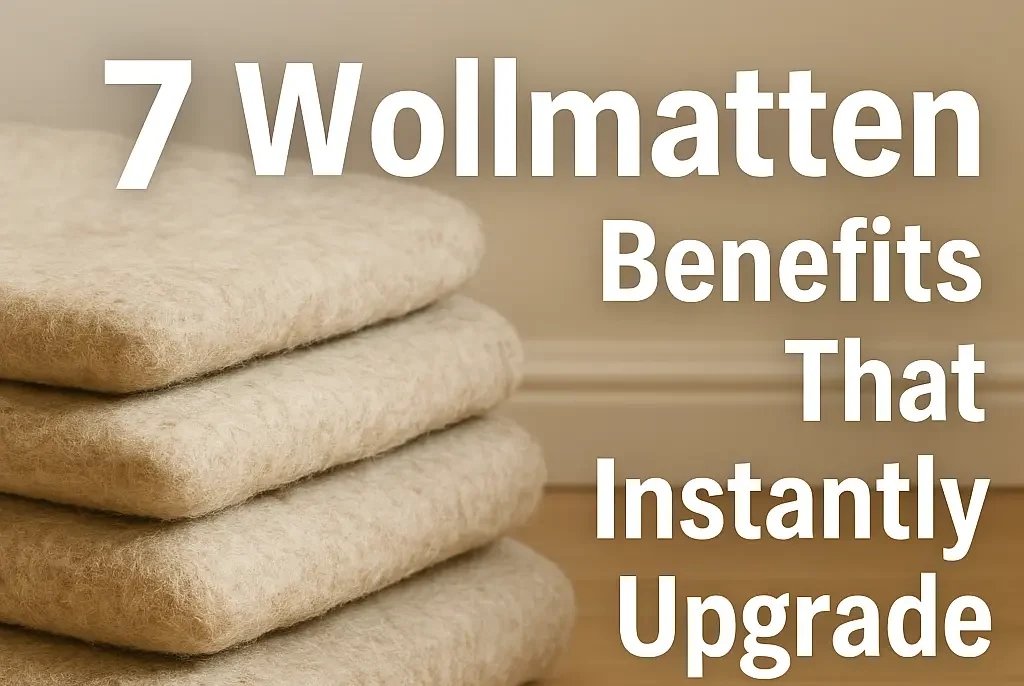
Understanding Wollmatten: A Complete Guide to Natural Wool Mats
Wollmatten, also known as wool mats, are natural fiber mats made from raw sheep wool or blended wool fibers. These mats earn strong attention in home design, gardening, building insulation, wellness, and outdoor use because they combine comfort, durability, and sustainability. More consumers, architects, and eco-focused brands trust wool-based materials today because wool offers natural insulation, humidity control, and long-term reliability that synthetic mats cannot match.
What Are Wollmatten?
Wollmatten are thick, felted or pressed mats produced from natural wool fibers. Wool contains tiny air pockets that make the structure warm, breathable, and flexible. These qualities allow wool mats to serve multiple roles, from interior decoration to protective garden layers.
Key Qualities in Simple Terms
-
Soft and warm under your feet
-
Naturally regulates heat and moisture
-
Absorbs sound inside closed rooms
-
Eco-friendly and biodegradable
-
Long-lasting due to strong fiber bonds
Wool mats look simple, but they are engineered products that need proper processing to achieve durability and uniform thickness.
How Wollmatten Are Made
Producing wollmatten requires several professional steps. Each stage affects the final strength, softness, density, and purpose of the mat.
Step-by-Step Process
Sorting the Wool
Wool comes from different sheep breeds. Each breed produces fibers with different thickness and curl patterns.
-
Fine wool suits yoga mats and home décor
-
Coarse wool suits insulation and garden mats
Cleaning the Fibers
The raw wool is washed to remove dust, oils, and plant pieces. Clean fibers bind better and last longer.
Carding the Wool
Carding machines brush the fibers to create a flat, fluffy sheet. This sheet forms the base layer of a wool mat.
Felting or Needling
Two main methods are used:
-
Wet felting (pressure + moisture)
-
Needle felting (thousands of barbed needles pressing fibers together)
Both methods create a firm, dense, stable wool mat that will not fall apart.
Cutting and Finishing
The large wool sheet is cut into different sizes and treated with edges or backing material if needed.
See More: Hitaar: Meaning, History, Cultural Value & Modern Importance
Why Wollmatten Are Different From Synthetic Mats
Wollmatten stand out because their natural fibers respond to temperature, moisture, pressure, and sound in ways artificial fibers cannot.
Wollmatten vs Synthetic Mats
| Feature | Wollmatten (Wool) | Synthetic Mats |
|---|---|---|
| Material | Natural fibers | Plastic fibers |
| Temperature Control | Excellent | Moderate |
| Moisture Handling | Absorbs + releases moisture | Traps moisture |
| Durability | Long-lasting | May flatten over time |
| Smell Resistance | Natural odor control | Can hold odors |
| Eco Impact | Biodegradable | Creates microplastics |
| Comfort Level | Soft + warm | Varies |
This table shows why many eco-friendly homes and businesses replace synthetic mats with wool mats.
Benefits of Using Wollmatten
Environmental Benefits
Wool is one of the most renewable materials in the textile world. Sheep produce wool naturally each year. This makes wool mats sustainable and earth-friendly.
Comfort and Warmth
Wool stays warm even in cold rooms. This property comes from wool’s air pockets that trap heat.
Sound Absorption
Wool fibers reduce echo and vibration in rooms. Offices, studios, and home theaters often use wool mats to improve acoustics.
Moisture Regulation
Wool mats absorb moisture and release it slowly. This keeps a room’s humidity balanced and reduces dampness.
Low Allergen Build-Up
Wool does not trap dust like synthetic materials. This makes it suitable for people with mild sensitivities.
See More: Tarnplanen: Complete Guide to Camouflage Tarps for Outdoor, Tactical, and Everyday Use
Where Wollmatten Are Used
Wool mats adapt to many environments because of their flexible structure.
Home Interiors
Living Rooms
Many homeowners use wool mats under tables, sofas, and walkways because they add warmth and style.
Bedrooms
Wool mats create a soft, warm surface beside the bed. They reduce cold-floor discomfort and improve sleep comfort.
Children’s Rooms
Because wool mats are soft and reduce impact, they are ideal for play areas.
Garden and Outdoor Use
Wollmatten help protect soil and plants.
Garden Benefits
-
Keep soil warm
-
Reduce weed growth
-
Hold moisture around plants
-
Slow down soil erosion
Farmers also use thick wool mats to protect young crops and maintain soil health.
Building and Construction
Wool mats serve as insulation for walls, floors, and ceilings. Builders choose wool because it combines thermal resistance with sound control.
Yoga, Fitness, and Therapy
Soft wool mats support slow movements, meditation, stretching, and relaxation exercises.
How to Choose the Right Wollmatte
Choosing a wool mat depends on the intended use. Consider the following points before buying:
Check the Wool Type
-
Fine wool = softer surface
-
Coarse wool = stronger structure
Check the Thickness
Thicker mats absorb more pressure and sound.
Check the Backing
Some mats include jute, cotton, or rubber backing for stability.
Look for Certifications
Trusted certifications include:
-
GOTS (Global Organic Textile Standard)
-
Woolmark
-
OEKO-TEX
These labels show the wool meets quality and safety standards.
How to Care for Wollmatten
Wool mats last many years with simple care.
Daily Care Tips
-
Shake off loose dirt
-
Vacuum with a soft brush
-
Let the mat breathe outdoors once a month
Deep Cleaning Tips
-
Use mild wool detergent
-
Avoid harsh chemicals
-
Dry naturally, away from direct sunlight
Storage Tips
-
Store in a dry place
-
Use a cotton bag, not plastic
-
Add cedar blocks to prevent moths
Best Uses for Wollmatten
-
Interior flooring
-
Yoga and wellness
-
Pet sleeping mats
-
Garden protection
-
Soundproofing panels
-
Camping insulation
Key Features to Look For
-
Natural wool source
-
Thickness level
-
Non-toxic processing
-
Breathable structure
-
Soft texture
-
Durable stitching
FAQs About Wollmatten
Are wool mats safe for children?
Yes. Wool mats are natural, cushioned, and warm. They reduce the risk of slipping and provide a softer play area.
Do wool mats smell?
Natural wool has a mild scent that fades quickly. Proper cleaning keeps wool mats fresh.
Can wool mats be used outdoors?
Yes. Garden-grade wool mats help with soil protection and moisture retention.
Are wool mats good for yoga?
Yes. Wool keeps the body warm and offers gentle support during meditation and low-impact exercises.
How long do wollmatten last?
High-quality wool mats can last several years due to strong fiber bonding and natural elasticity.
Conclusion
Wollmatten offer exceptional value because they blend natural comfort, environmental responsibility, and long-term durability. Their breathable structure makes them useful in homes, wellness spaces, gardens, and construction projects. With proper care, wool mats remain reliable, warm, and visually appealing for many years. Anyone looking for a natural, high-performing, and eco-safe mat will find wollmatten to be one of the best choices available today.