Understanding “Fascisterne”: Meaning, History, and Modern Use
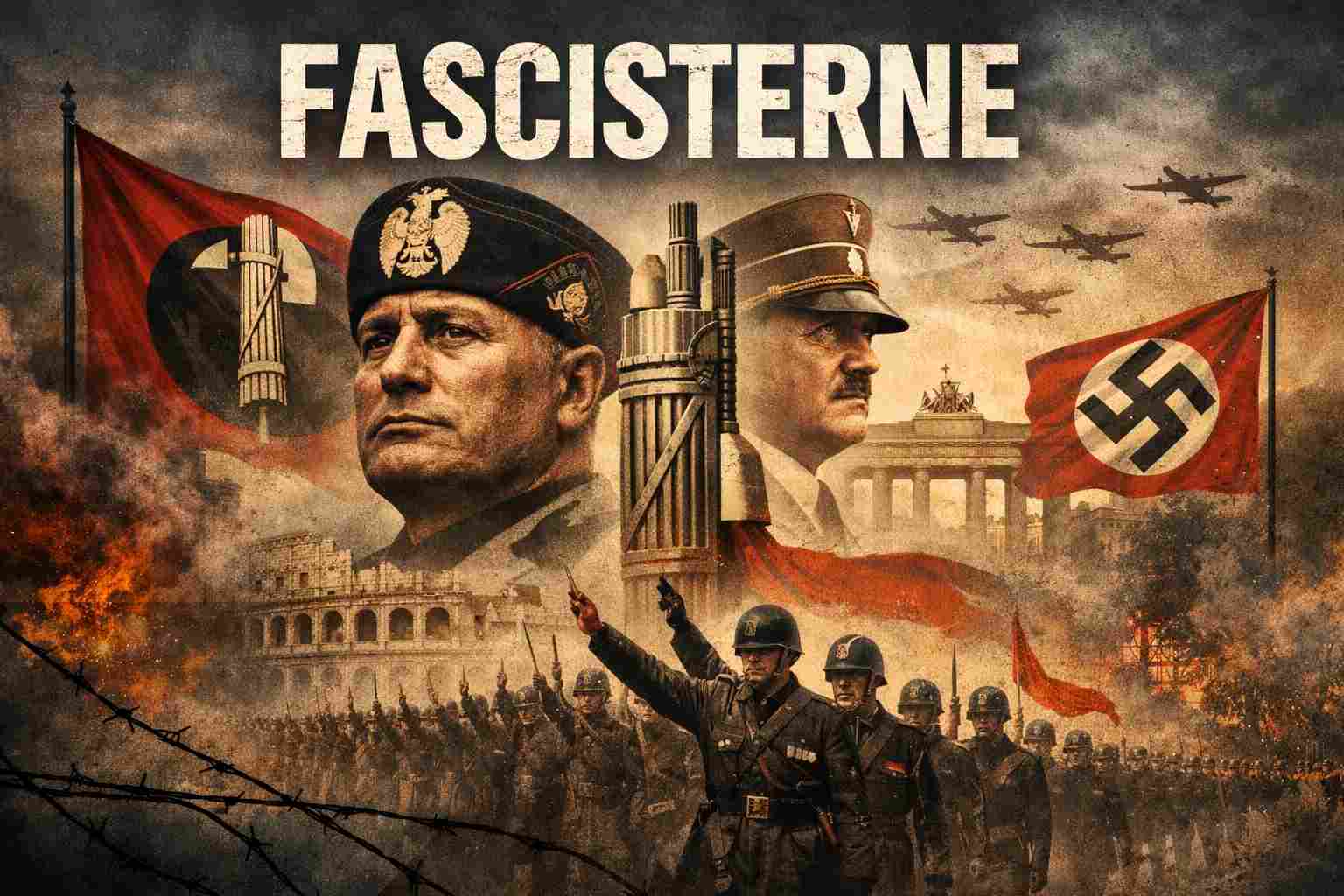
The word fascisterne is a Danish term that often appears in historical texts, political discussions, and modern debates. While the word may sound simple, its meaning carries strong historical, social, and political weight. To understand fascisterne properly, it is important to look at the language, the ideology behind it, and how the term is used today.
This article explains fascisterne in a clear and structured way, without emotional language or political bias. The goal is to help readers understand the topic fully, even if they have no background knowledge.
What Does “Fascisterne” Mean?
The term fascisterne is Danish and translates to “the fascists” in English. It is the plural definite form of the word fascist.
Linguistic Explanation
-
Fascist = a person who follows fascism
-
Fascister = fascists (plural)
-
Fascisterne = the fascists (definite plural)
In Danish, adding -erne makes the noun definite, meaning it refers to a specific group rather than fascists in general.
What Is Fascism?
To understand fascisterne, we must first understand fascism.
Fascism is a political ideology that supports:
-
Strong central power
-
One leader or ruling group
-
Limited political freedom
-
Strong nationalism
-
Control over media and opposition
Fascism rejects democracy, individual freedoms, and political diversity. The state is considered more important than the individual.
Core Beliefs Commonly Linked to Fascisterne
Although fascism has appeared in different countries and forms, fascisterne are usually associated with a set of common beliefs.
Key Characteristics
-
Authoritarian leadership – power is held by one leader or party
-
No political opposition – other parties or views are removed or silenced
-
Strong nationalism – the nation is placed above all else
-
Use of propaganda – media is controlled to influence public opinion
-
Glorification of strength – military power and discipline are praised
Historical Origins of Fascisterne
Fascism in Italy
Fascism began in Italy after World War I. The country faced economic problems, political chaos, and social unrest. Many people felt weak and humiliated after the war.
Benito Mussolini used these emotions to gain support. In 1922, he took power and created the first fascist state. His followers were known as fascists, and collectively they were referred to as fascisterne in Danish texts.
Spread Across Europe
After Italy, similar movements appeared in other European countries. While not all were identical, many shared core fascist ideas such as:
-
Strong leaders
-
Anti-democratic systems
-
National pride mixed with fear of outsiders
Read Also: Understanding the Slylar Box Concept
Fascisterne vs Nazisterne: Are They the Same?
Many people confuse fascisterne (fascists) with nazisterne (Nazis). While they are related, they are not the same.
| Aspect | Fascisterne (Fascists) | Nazisterne (Nazis) |
|---|---|---|
| Origin | Italy | Germany |
| Founder | Benito Mussolini | Adolf Hitler |
| Focus | State power & nationalism | Race, antisemitism, nationalism |
| Ideology type | Authoritarian nationalism | Racial fascism |
| Democracy | Rejected | Rejected |
Use of the Term “Fascisterne” in Denmark
In Denmark, the word fascisterne is mostly used in:
-
Historical discussions
-
Academic writing
-
Political debates
-
Media commentary
Historical Context in Denmark
During the 1930s and 1940s, some Danish political groups were inspired by fascist ideas from Italy and Germany. However, fascism never became dominant in Denmark.
Modern Usage
Today, the term fascisterne is often used:
-
To describe historical movements
-
As a warning against authoritarian behavior
-
As a strong political label in debates
Because of its history, the word carries strong emotional meaning and should be used carefully.
Fascisterne in Modern Political Language
In modern times, fascisterne is sometimes used in a non-historical way. People may use it to criticize:
-
Authoritarian behavior
-
Attacks on free speech
-
Extreme nationalism
However, this modern use can be controversial. Some argue that using the term too loosely reduces its historical meaning.
Role of Fascisterne in the Digital Age
Online Influence
Modern extremist groups sometimes use fascist symbols or language online. Social media and forums can help spread ideas faster than in the past.
Common Digital Strategies
-
Memes and coded language
-
Anonymous accounts
-
Emotional messaging
-
Historical revisionism
Understanding these patterns helps people recognize when fascist ideas are being reused or reshaped.
Why Fascisterne Still Matter Today
Even though classical fascism belongs to the past, the ideas behind it can still appear in new forms.
Important Lessons
-
Democracies can weaken slowly
-
Fear can be used as a political tool
-
Strong institutions and free media are essential
Learning about fascisterne is not about the past alone. It helps societies recognize risks early.
Common Myths About Fascisterne
Myth 1: Fascism only existed in the 1940s
Reality: Fascist ideas can reappear in different forms.
Myth 2: Fascisterne were all the same
Reality: Fascist movements varied by country.
Myth 3: Fascism is just “strong leadership”
Reality: Fascism removes freedom and choice.
Fascisterne: Historical vs Modern Context
| Category | Historical Fascisterne | Modern Use of the Term |
|---|---|---|
| Time period | 1920s–1940s | Present day |
| Meaning | Members of fascist regimes | Political or social label |
| Accuracy | Clear definition | Often debated |
| Emotional weight | High | Very high |
How to Talk About Fascisterne Responsibly
When using the term fascisterne:
-
Be clear whether you mean history or modern behavior
-
Avoid using it only as an insult
-
Respect the historical seriousness of the word
-
Use facts, not emotions
Responsible language helps keep discussions meaningful and educational.
See More: Mila Volovich: Complete Identity Explanation, Search Meaning, and Online Presence
Frequently Asked Questions (FAQs)
What does fascisterne mean in simple words?
Fascisterne means “the fascists” and refers to people who support or supported fascism.
Is fascisterne a neutral word?
No. It is a historically serious term with strong negative associations.
Are fascisterne still active today?
Classical fascism is not in power, but similar ideas can still appear in new forms.
Is it correct to call modern politicians fascisterne?
Only if the description is accurate and based on clear authoritarian behavior. The term should not be used lightly.
Why is fascisterne often linked with fear?
Because fascist regimes historically used fear, violence, and control to stay in power.
Conclusion
The word fascisterne represents much more than a political label. It is tied to a painful history, powerful ideas, and important lessons about freedom, democracy, and responsibility. Understanding its true meaning helps prevent misuse and encourages informed discussion. By learning about fascisterne in a clear and factual way, readers gain the tools to recognize authoritarian patterns and protect democratic values in the future.